
Neteller vs Apple Pay for Betting in Australia: Mobile Wallet Comparison
 Available in US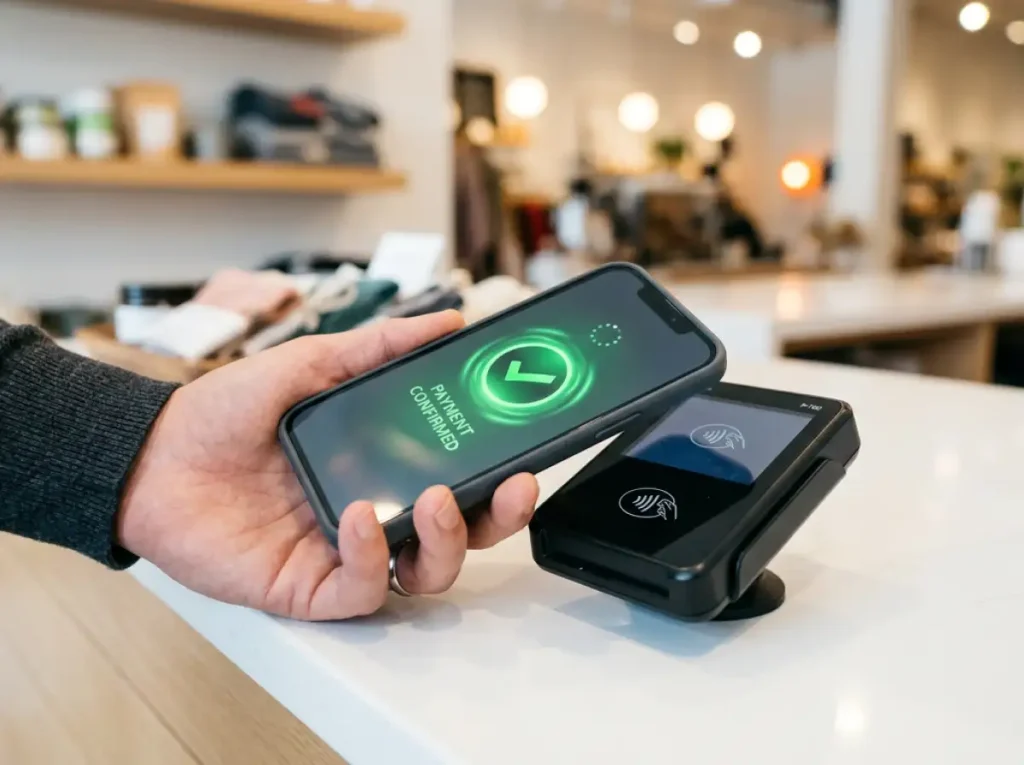
Two Mobile Wallets, One Betting Account: Which to Choose
A friend of mine switched from Neteller to Apple Pay for sportsbook deposits last year because “it’s already on my phone.” Six weeks later, he was back on Neteller — not because Apple Pay didn’t work, but because it didn’t do everything he needed. That single experience captures the core tension between these two platforms: Apple Pay wins on convenience, Neteller wins on functionality.
Both are mobile wallets. Both let you deposit at Australian sportsbooks from your phone. But they’re built on fundamentally different architectures with different capabilities, and treating them as interchangeable options misses the practical differences that matter when you’re managing a betting bankroll. Neteller holds 2.19% of the mobile wallet market, a modest share compared to Google Wallet’s 51% and Apple Pay’s 23.5%, but that market share masks the fact that Neteller dominates in specific verticals — particularly iGaming and sports betting.
How Apple Pay Works at Australian Sportsbooks
Apple Pay is a contactless payment system built into every iPhone, Apple Watch, iPad, and Mac. It stores your debit or credit card details securely within Apple’s Wallet app, then lets you authorise payments using Face ID, Touch ID, or your device passcode. At sportsbooks that accept Apple Pay, the deposit process is essentially a card transaction authenticated via your Apple device.
Australians have adopted mobile payments aggressively — over 4 billion mobile wallet payments per year, with more than 44% of in-person transactions happening through mobile apps. Apple Pay sits at the centre of that adoption curve. Most punters already have it configured on their phone with at least one debit card linked.
Depositing at a sportsbook via Apple Pay is fast. Select Apple Pay at the cashier, enter the deposit amount, authenticate with your face or fingerprint, done. The transaction processes as a standard debit card payment through the Mastercard or Visa network. The sportsbook sees a card deposit; Apple Pay is just the authentication layer.
This architecture has an important implication: Apple Pay deposits are subject to the same rules as card deposits. After Australia’s June 2024 credit card ban, only debit cards linked to Apple Pay can be used for gambling transactions. If you have a credit card in your Apple Wallet, make sure you select the debit card when depositing at a sportsbook.
Neteller vs Apple Pay: Fees, Speed, and Withdrawal Support
Lining these two up across the metrics that actually affect your betting experience reveals clear winners in different categories.
Speed is effectively a draw. Both process deposits in seconds at Australian sportsbooks. In my side-by-side tests, Apple Pay deposits clear in three to eight seconds. Neteller deposits clear in five to fifteen seconds. The difference is negligible for pre-match betting, and neither is reliably faster during peak traffic.
Fees split decisively. Apple Pay deposits carry no fee from Apple’s side. Your bank may apply a standard card transaction fee, but most Australian banks don’t charge for domestic debit card transactions. The deposit is essentially free. Neteller, by contrast, charges around 2.5% to load funds via debit card, and a fee to withdraw back to your bank. On a $200 deposit cycle, Apple Pay costs you nothing. Neteller costs you $5 in funding fees plus the bank withdrawal charge.
Withdrawal support is where Neteller takes the round decisively. You cannot withdraw sportsbook winnings to Apple Pay. Apple Pay is a payment authentication method, not a financial account — there’s no “Apple Pay balance” to receive funds. When you win and want to cash out, you need a different method: bank transfer, debit card refund, or an e-wallet like Neteller. Neteller, as a full e-wallet, handles both deposits and withdrawals at sportsbooks. The two-way capability eliminates the need for a secondary withdrawal method.
Privacy presents another clear distinction. Apple Pay deposits appear on your bank statement as a card transaction with the sportsbook’s name attached — Apple Pay is transparent to your bank. Neteller provides a privacy layer: your bank sees “Neteller” or “Paysafe,” not the sportsbook operator. For punters who want their betting activity kept separate from their banking records, this difference is significant.
Multi-sportsbook management favours Neteller. Apple Pay is tied to your debit card, so every deposit draws directly from your bank account. Neteller lets you load a set amount and distribute it across multiple sportsbooks from a single balance. That centralised float serves as a natural bankroll management tool.
Which Mobile Wallet Suits Your Betting Style
I’ve settled into a clear framework for when each option makes sense, and it comes down to three questions: how often do you withdraw, how many sportsbooks do you use, and how much do you care about privacy?
If you deposit occasionally, use one sportsbook, and don’t mind betting transactions appearing in your bank statement, Apple Pay is the simpler, cheaper option. Zero fees, instant processing, and no additional account to manage. The lack of withdrawal support is manageable when you’re withdrawing infrequently via bank transfer or debit card refund.
If you deposit and withdraw regularly, use multiple sportsbooks, or want your betting activity separated from your banking records, Neteller justifies its fees. The two-way functionality, the privacy layer, and the centralised balance make it a more complete tool for active punters. The fee cost is the price of those capabilities.
For punters who fall in between — moderate activity, two sportsbooks, occasional withdrawals — using both methods strategically makes sense. Apple Pay for quick, low-friction deposits when you just want to get a bet on. Neteller for larger sessions, multi-operator activity, or when you’re managing a distinct betting bankroll that you want kept separate from daily spending. The PayID comparison adds a third option to this framework for punters evaluating all their payment choices.
On a phone the wallet itself matters: the Neteller app.
The wider context sits in our guide to Neteller betting in Australia.
