
Neteller Verification for Betting: What Documents You Need and How Long It Takes
 Available in US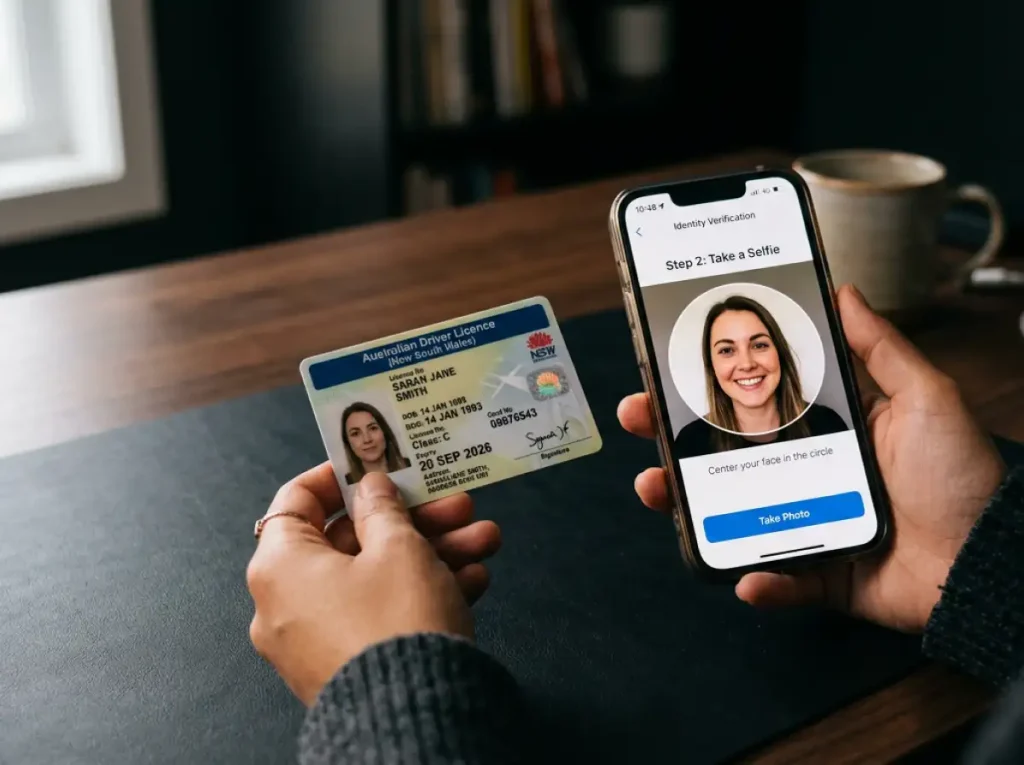
Why Neteller Requires Verification Before You Can Bet
Picture this: you’ve just signed up for Neteller, loaded $100 from your debit card, navigated to your favourite sportsbook’s deposit page — and the transaction gets blocked. Not by the bookmaker. By Neteller. Your account is “limited” until you complete verification. I’ve seen this scenario play out countless times, and it’s almost always preventable if you understand what’s required upfront.
Neteller’s verification process exists because of the regulatory framework its parent company operates under. Paysafe Group handles financial services across 200-plus countries and is licensed by the UK’s Financial Conduct Authority. The FCA mandates Know Your Customer procedures for every e-money institution under its supervision. These aren’t optional guidelines — they’re legal obligations, and Neteller can’t let you move significant sums without confirming you are who you claim to be.
For the betting-specific context, verification matters even more. The demographic of Neteller’s user base — roughly 70% male, aged 18 to 45, with heavy activity in iGaming and sports betting — means regulators pay close attention to anti-money laundering compliance within the platform. Every unverified account represents a compliance gap, and Paysafe has no interest in testing the FCA’s patience on that front.
Required Documents for Australian Accounts
I keep a dedicated folder on my phone with high-resolution photos of every document Neteller might ask for. It took me about ten minutes to set up, and it’s saved me hours of frustration across multiple verifications over the years. Here’s what that folder contains.
The primary identity document is either an Australian passport or an Australian driver’s licence. Neteller accepts both, and you only need one. The document must be current — not expired — and the name on it must match your Neteller registration exactly. If your licence says “James” but you registered as “Jim,” that mismatch will flag a review. Use your legal name during registration and avoid this problem entirely.
The second requirement is proof of address. Neteller accepts a recent utility bill (electricity, gas, water, internet), a bank statement, or a government-issued letter showing your name and Australian residential address. “Recent” typically means issued within the last three months. Screenshots of online statements are usually accepted, but make sure the document shows the issuing institution’s letterhead, your full name, your address, and the statement date clearly.
For higher account limits or when triggered by specific transaction patterns, Neteller may also request proof of the funding source. This means a bank statement showing the debit card transaction or bank transfer you used to load your Neteller balance. After Australia’s 2024 credit card ban for gambling, this step has become more pointed — Neteller needs to demonstrate that funds entering the gambling ecosystem originate from non-credit sources, and a bank statement showing a debit transaction is the clearest way to establish that.
Neteller services approximately 2.5 million active users globally, supporting 28-plus currencies. The verification infrastructure is built to handle volume, but that doesn’t mean every submission sails through automatically. Document quality is the single biggest factor you can control.
Selfie and Geolocation Checks Explained
The first time Neteller asked me to take a selfie holding my passport next to my face, I felt like I was applying for a security clearance. But the logic behind it is sound, and once you understand the purpose, the process feels less intrusive.
Selfie verification — sometimes called “liveness detection” — confirms that the person submitting the identity document is the same person who owns the account. You’ll typically be asked to take a photo of yourself holding your ID next to your face, or to record a short video following on-screen prompts (turn your head left, blink, etc.). This prevents identity theft scenarios where someone obtains a stolen passport scan and tries to open an account in another person’s name.
Geolocation checks work differently. Neteller may verify your device’s location during certain transactions to confirm you’re operating from a jurisdiction where the service is available. For Australian users, this is generally straightforward — Australia is a supported market. However, if you’re using a VPN that routes your traffic through a different country, the geolocation check might fail or trigger additional review. My advice: turn off your VPN before performing any verification steps or making your first few transactions. Once your account is established and verified, normal VPN usage for privacy purposes shouldn’t cause issues.
Some punters worry about what happens to their biometric data after the selfie check. Neteller’s privacy policy covers this, but in practical terms, the selfie is used for identity matching at the point of verification and is subject to the same data protection standards as your other personal information under FCA and GDPR requirements. It’s not stored indefinitely in some facial recognition database — it’s a compliance check, not a surveillance tool.
How Long Verification Takes and What Can Delay It
On a good day, Neteller verification completes within a few hours. I’ve had submissions approved in under thirty minutes when all documents were clean and submitted during European business hours. On a bad day — poor document quality, weekends, or high submission volume — it can stretch to two or three business days.
The most common delay is document rejection. Neteller’s automated system reads your uploaded documents using optical character recognition, and if the image is blurry, partially cropped, or has glare covering key details, it bounces the submission back. I learned early on to photograph documents on a flat, dark surface with even lighting. No flash. No fingers holding corners. The entire document visible with a small margin of space around the edges.
Name mismatches are the second biggest cause of delays. If your ID says “Catherine” and your Neteller account says “Kate,” expect a manual review that can add days. Address mismatches create similar friction — make sure the address on your proof of address matches what you entered during registration, down to the unit number format.
Time zone differences play a role too. Neteller’s verification team operates primarily during European business hours. If you submit documents at 10 PM AEST on a Friday, you’re looking at Monday morning in London before a human reviews your case. Submit early in the Australian morning — that’s afternoon in London — for the fastest turnaround.
Tips to Pass Verification on Your First Attempt
After walking dozens of punters through this process, I’ve distilled the essentials into a reliable checklist. Do this before you submit anything, and you’ll almost certainly avoid the back-and-forth that wastes days.
Register with your exact legal name as it appears on your primary ID. Not your preferred name, not a nickname, not an abbreviation. If your passport says “William Robert Smith,” that’s what goes in the registration form.
Use your current residential address — the one that matches a recent utility bill or bank statement you can produce. If you’ve recently moved, update your address with at least one utility provider or your bank first, wait for a new statement, then register.
Photograph your ID in landscape orientation on a dark, non-reflective surface. All four corners visible. No flash. Resolution high enough that every character is legible when you zoom in. Do the same for your proof of address — and make sure the date on the document is within the last three months.
If you need to do a selfie check, find a well-lit room with a plain background. Hold your ID at chin level, slightly angled so there’s no glare on the photo portion of the document. Follow any on-screen prompts slowly and deliberately — rushing through the liveness check is the most common reason for failure.
Complete verification before you need to make a time-sensitive deposit. The worst moment to discover your account is limited is five minutes before a race or a live match. I go through the full verification process within 24 hours of opening any new payment account, and I’d recommend you check the safety features that verification unlocks at the same time. That way, when the right betting opportunity appears, the only decision is how much to deposit — not whether your account will let you.
Verification comes right after account setup.
The wider context sits in our guide to Neteller betting in Australia.
